
01
Learner agents
A study partner that asks, scaffolds, and stops short of the answer so the learner keeps the next step.
TutoringMetacognition
Agents in education
A learner agent can tutor without handing over the answer. A teacher agent can notice who is stuck and still leave the decision with the educator.

Agents in the room
01
An agent should widen a learner's judgment, not replace it.
Agents in education
An education agent is software that can hold a goal, use tools, and take a sequence of steps. In a school that might mean tutoring one learner, preparing a lesson for a teacher, or coordinating several roles across a class. NexEd explains those uses, and the limits that keep a person in charge.
A learner agent should know when to hint and when to wait. A teacher agent should draft, retrieve, and summarize without making the instructional decision. A classroom system of agents needs memory, tools, and a privacy boundary a family can understand. Speed is the easy product. Judgment is the one worth studying.
Three programs carry that work. Learning Copilot is a learner-facing agent. The AI Literacy Index names what students and teachers need to understand about agents. Classroom Observatory is a teacher-facing agent for participation, confusion, and momentum.
The theory and the technical explanations are published as they are ready. Read the journal, or start with the latest writing.
Our research lens
We study a learner working with an agent, a teacher reading the room, and the language both need when an agent is in the lesson.
A study partner that asks, scaffolds, and stops short of the answer so the learner keeps the next step.
A teacher-facing agent that notices participation, confusion, and momentum, and leaves the interpretation with the teacher.
A vocabulary for what learners and teachers need to know, question, and direct when they work with an agent.
Selected work
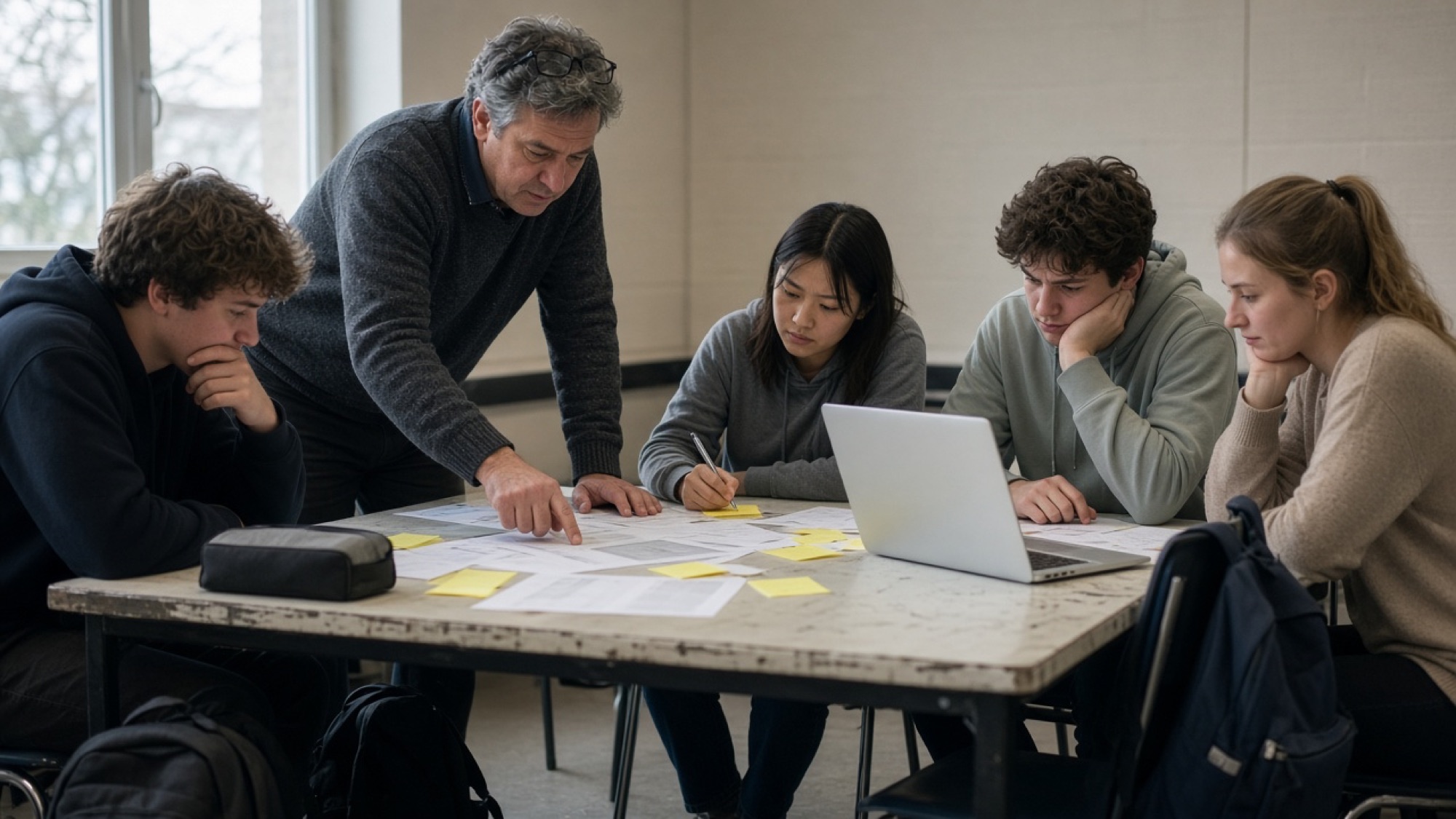
A learner-facing agent that strengthens questions and metacognition, and refuses to collapse the work into a finished answer.

A plain-language map of what learners and teachers need to know, question, and direct when they work with agents.
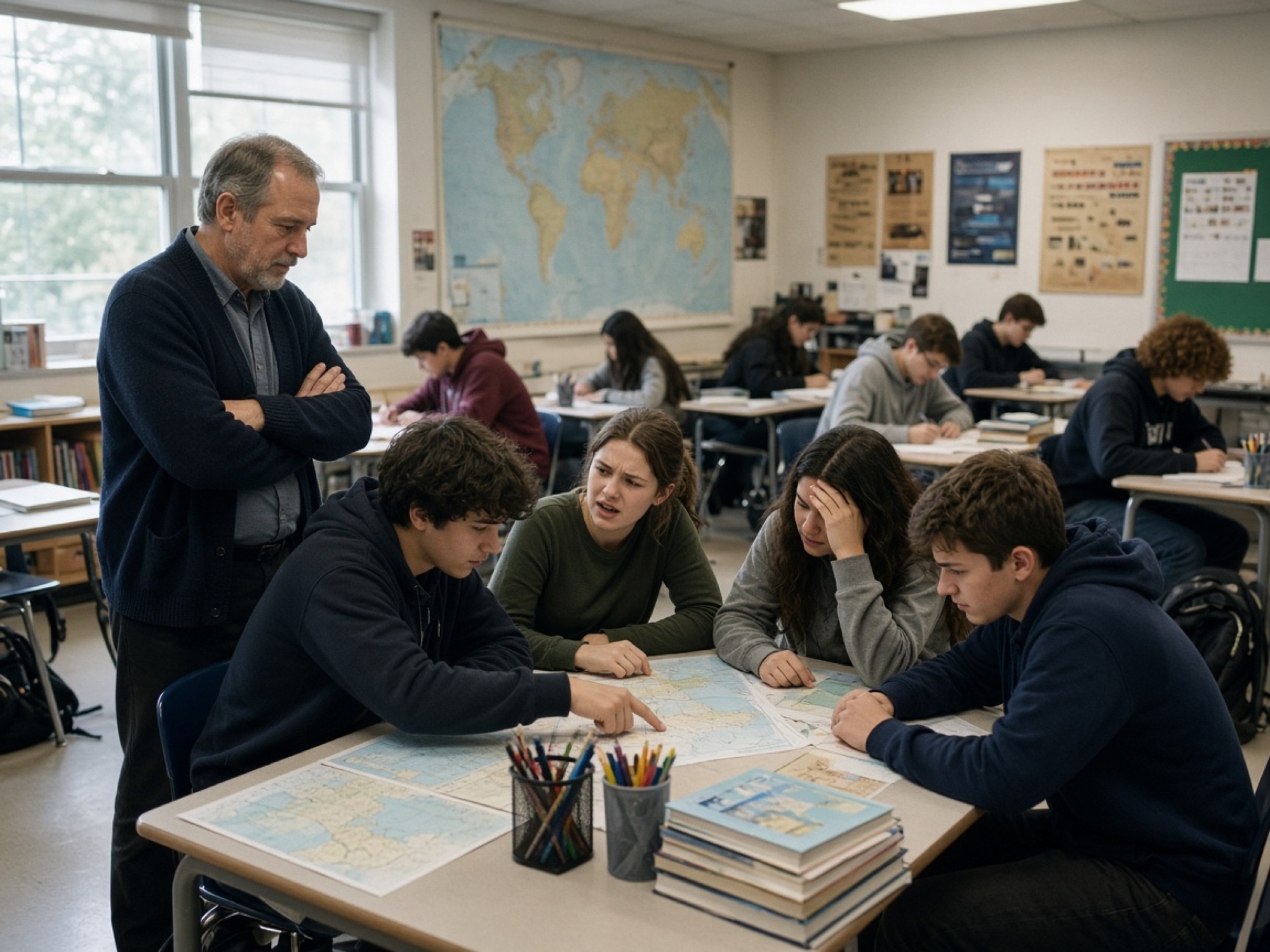
A teacher-facing agent that notices participation, confusion, and momentum without turning the classroom into a surveillance feed.

From the lab · Field collaboration
We prototype with teachers and students, then write down what an agent should do, refuse, and explain.
Our point of view
An agent can hint, retrieve, and wait. The learner keeps the question, the revision, and the idea.
Planning, feedback, and classroom signals are drafts for an educator, not decisions made past them.
Memory, tools, and traces stay inside a limit a school can explain.
The journal
Column
Short observations of agents in classrooms, prototypes, and conversations.
The first piece in this column is still being written.
Column
Longer arguments about AI agents, teaching, and learning.
The first piece in this column is still being written.
Research
Studies of agent systems in education.
The first piece in this column is still being written.
Column
Educational and psychological theory for agents in teaching and learning.
Column
Technical principles of AI agents in education: planning, memory, tools, and evaluation.
Column
Search trends that touch education, artificial intelligence, or teaching agents.
Column
Practical guides to AI tools and techniques teachers and students are asking how to use.
Build the future with us
We work with educators, schools, and researchers who want AI agents in the classroom to deepen learning, and who want those agents to stay accountable to the people in the room.
nexed@nexed.site